A luxury bathroom renovation in London requires premium materials, rigorous project management, and bespoke design. This guide covers budgeting, 2025 trends, smart tech, and regulations.
It answers common homeowner questions with actionable steps for a better outcome. We’ll explore planning, costs, materials (marble, Italian porcelain, sustainable options), space optimisation, smart-home integration, and choosing professionals.
Luxury Bathroom Renovation Costs in London
Luxury bathroom renovation costs in London vary widely based on premium materials, expert labour, and upgraded mechanical and electrical (M&E) systems. Structural modifications, advanced wet room waterproofing, custom joinery, or imported materials raise costs, and central London logistics can too. Understanding the main cost elements keeps budgets realistic.
Factors Influencing High-End Renovation Costs
Principal cost drivers include premium materials (e.g., marble, bespoke cabinetry), specialist trades (tilers, plumbers, electricians), and M&E works. Labour rates reflect specialist expertise in high-end fixtures and waterproofing.
Structural alterations (e.g., moving walls, wet room drainage) add design, reinforcement, and inspection costs, especially in older or listed properties. In London, site access and logistics (parking, deliveries, noise) can extend timelines and costs.
Budgeting for Bespoke Design & Premium Materials
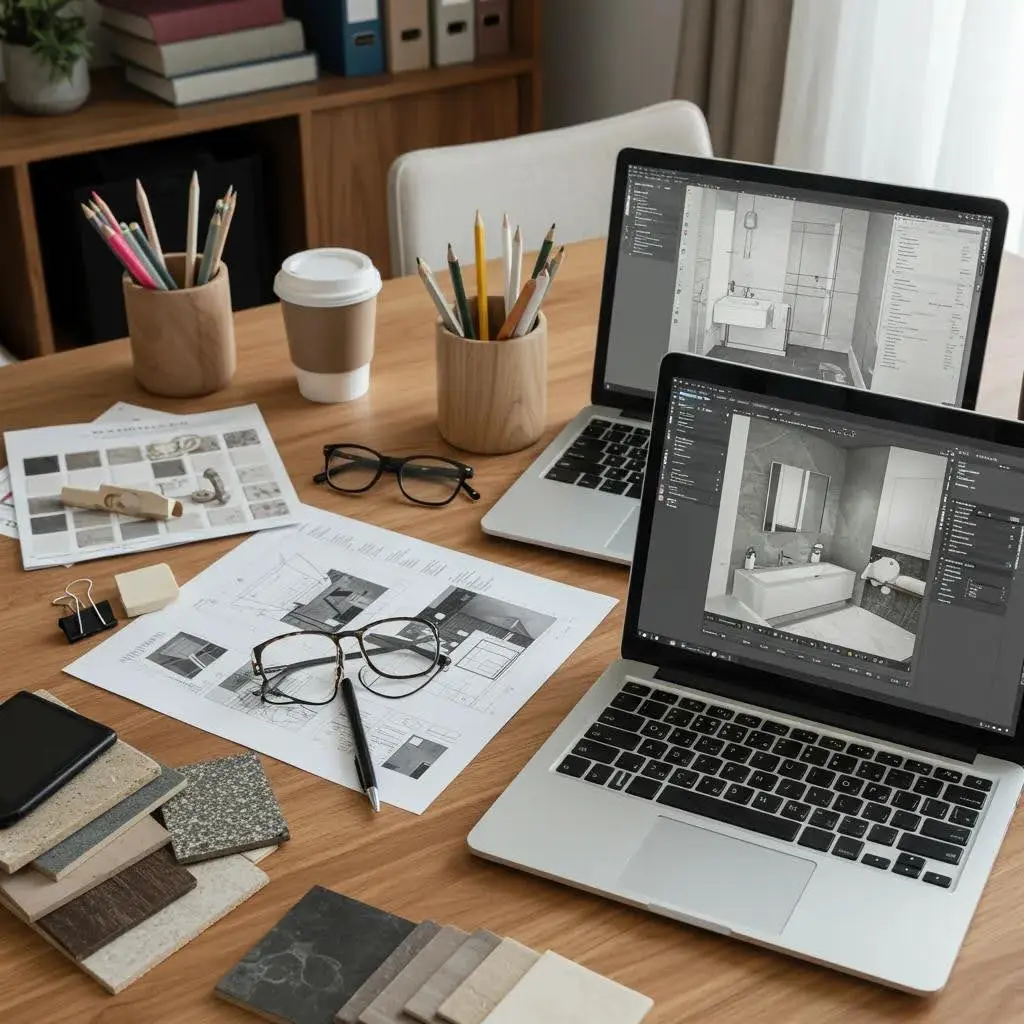
Effective budgeting allocates funds across design, materials, labour, and contingency. A typical split is 10–15% for design, 35–45% for materials, 25–40% for labour, and 5–20% for contingency.
Prioritise high-impact finishes (tiles, bath, brassware) and economise on less visible components. Regular cost reviews during specification and procurement help prevent budget overruns. Clear budgeting sets realistic price ranges across luxury project tiers.
Planning a Bespoke Luxury Bathroom Renovation
Planning a bespoke luxury bathroom renovation follows a structured process: brief, site survey, design, approvals, procurement, installation, and handover.
Disciplined stage-gating, finalising design before procurement, scheduling trades, and quality checks, reduces rework, controls costs, and minimises disruption. Below, we outline the process, a sample timeline, and how transparent management keeps projects on track.
Premium Materials & Fixtures
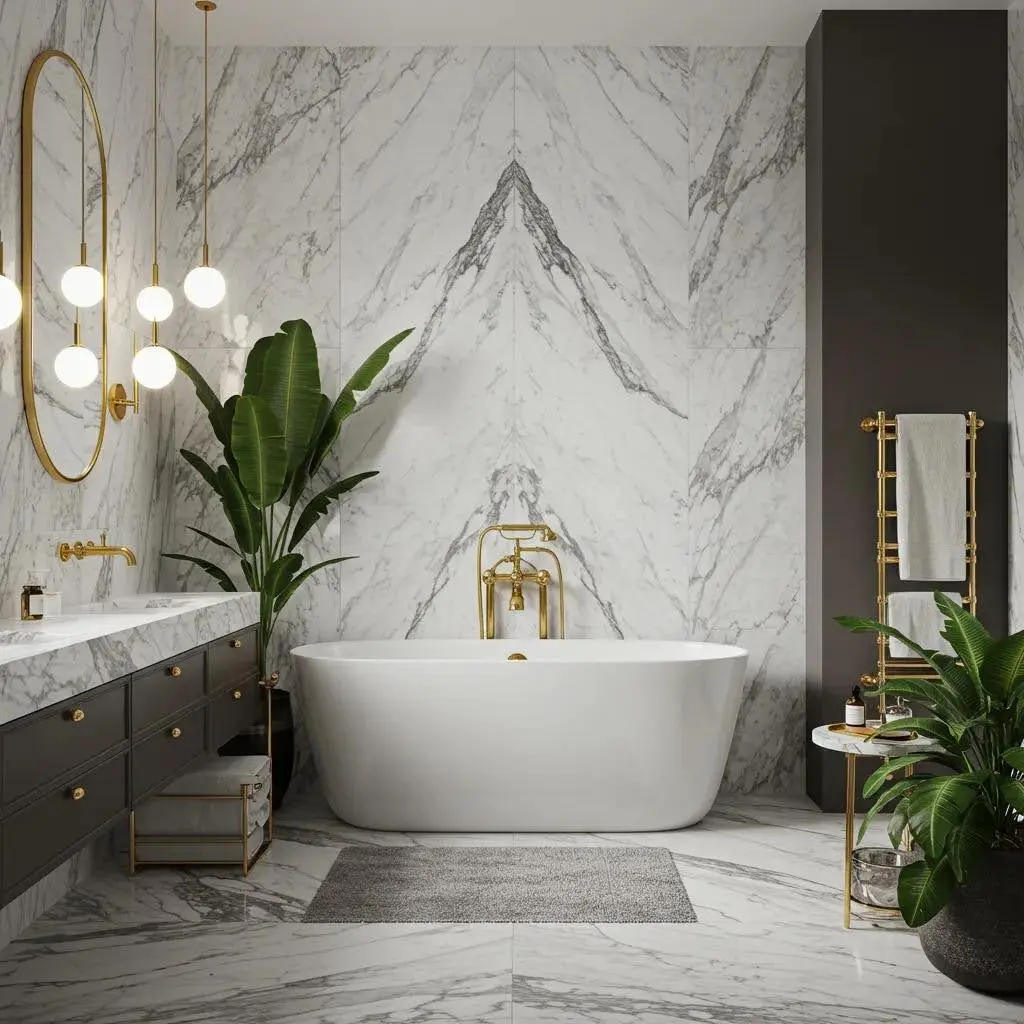
Recommended premium materials for London luxury bathrooms include marble, Italian porcelain, and engineered stone, chosen for appearance, upkeep, and suitability. Marble offers luxury but needs sealing; Italian porcelain provides durability with less upkeep.
Premium fixtures (rain showers, freestanding baths, bespoke vanities, brassware) significantly contribute to luxury and benefit from robust warranties. Material selection balances visual impact with long-term performance in humid, high-use environments.
This table clarifies the pros, cons, and suitability for London homes.
| Material/Fixture | Pros/Cons | Suitability & Indicative Cost Range |
|---|---|---|
| Marble Tiles | Pros: Luxurious look; Cons: Porous; needs sealing | Best for feature walls; mid-to-high cost |
| Italian Porcelain | Pros: Durable, versatile; Cons: less natural veining | Suitable for floors and wet zones; mid-range cost |
| Engineered Stone | Pros: Consistent, low maintenance; Cons: less distinctive pattern | Ideal for vanities; mid-to-high cost |
| Premium Brassware | Pros: Durable, tactile; Cons: higher up-front cost | High visual impact; premium cost bracket |
Use this comparison to choose materials that fit your lifestyle and upkeep preferences, guiding procurement.
Transparent Project Management for a Smooth Renovation
Transparent project management means clear communication, regular updates, and thorough documentation to minimise disputes and delays. A dedicated project manager coordinates trades, verifies quality (e.g., waterproofing, tiling), and manages logistics to shorten on-site time in London.
Robust scheduling, documented snagging, and a structured handover ensure a flawless finish and clear warranty responsibilities, preserving design intent while addressing site constraints. These practices align timelines and responsibilities, guiding fitter and designer selection.
2025 Luxury Bathroom Styles & Features in London
Luxury bathroom trends for 2025 in London blend spa-inspired tranquility, striking tile designs, and integrated smart technology, elevating routines and promoting sustainability.
Client demand for wellness, low-maintenance luxury, and unique materials drives these trends. Benefits include enhanced comfort, improved resale value, and operational efficiency. We’ll explore styles, smart integrations, and materials.
Modern, Traditional, & Spa-Inspired Styles
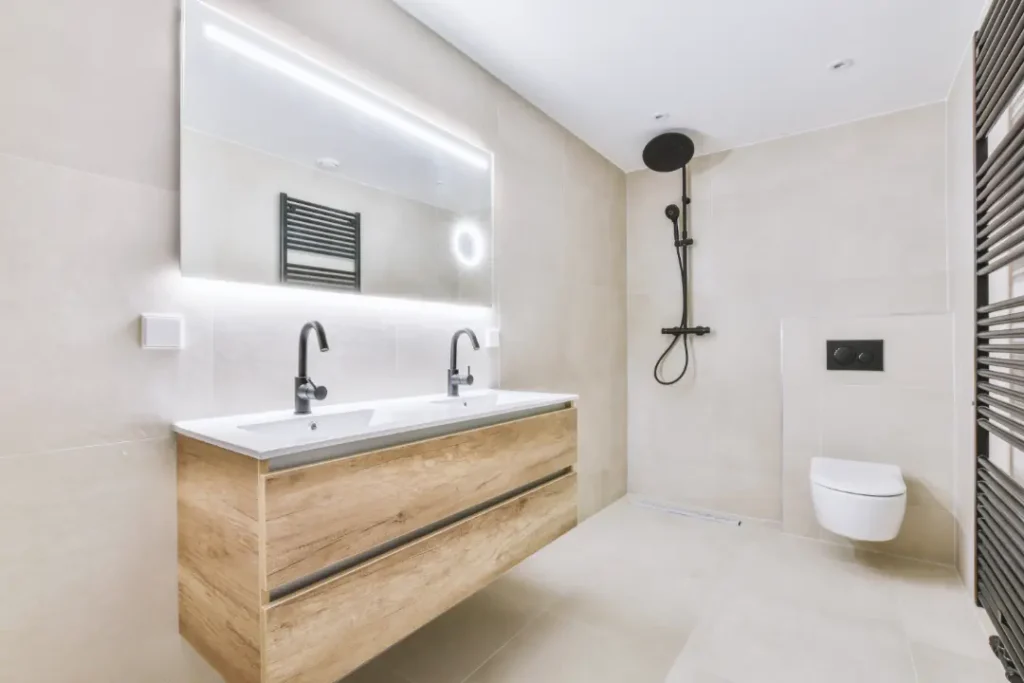
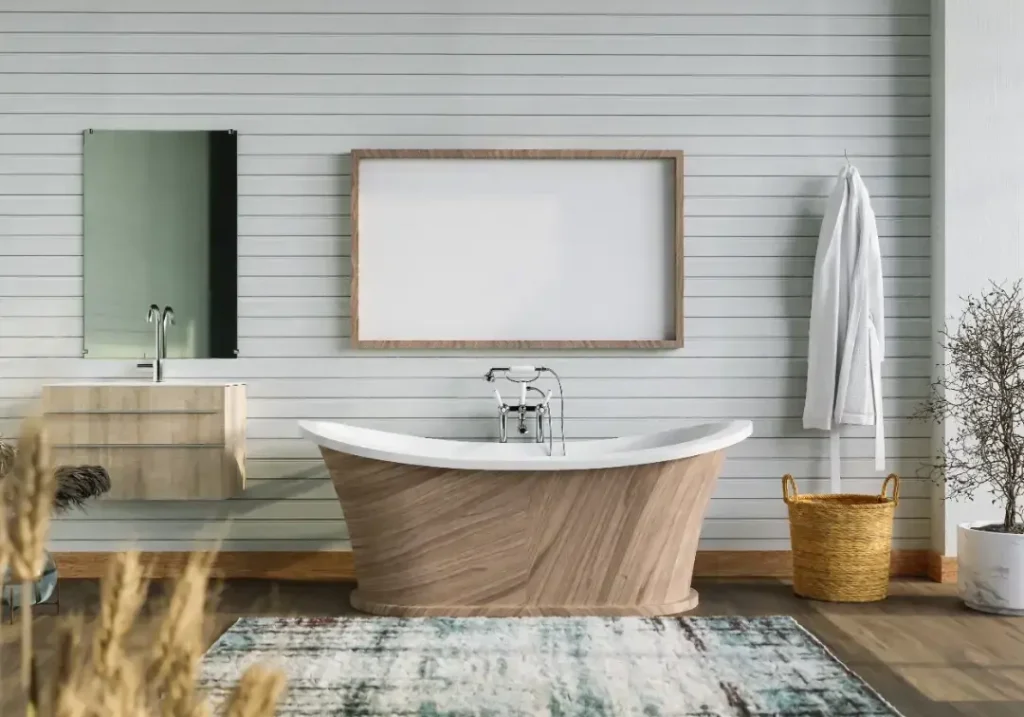
Modern styles feature clean lines, concealed storage, and neutral palettes for spacious apartments. Traditional styles use period brassware, panelling, and mosaic tiles for townhouses. Spa-inspired schemes prioritise natural materials, calming colours, wet zones, and underfloor heating for sanctuary-like city residences.
Style choice should align with property character, resale appeal, or personal statement, complementing proportions and maintenance tolerance. Integrating smart technologies with these styles delivers luxury and convenience.
Integrating Smart Bathroom Technologies
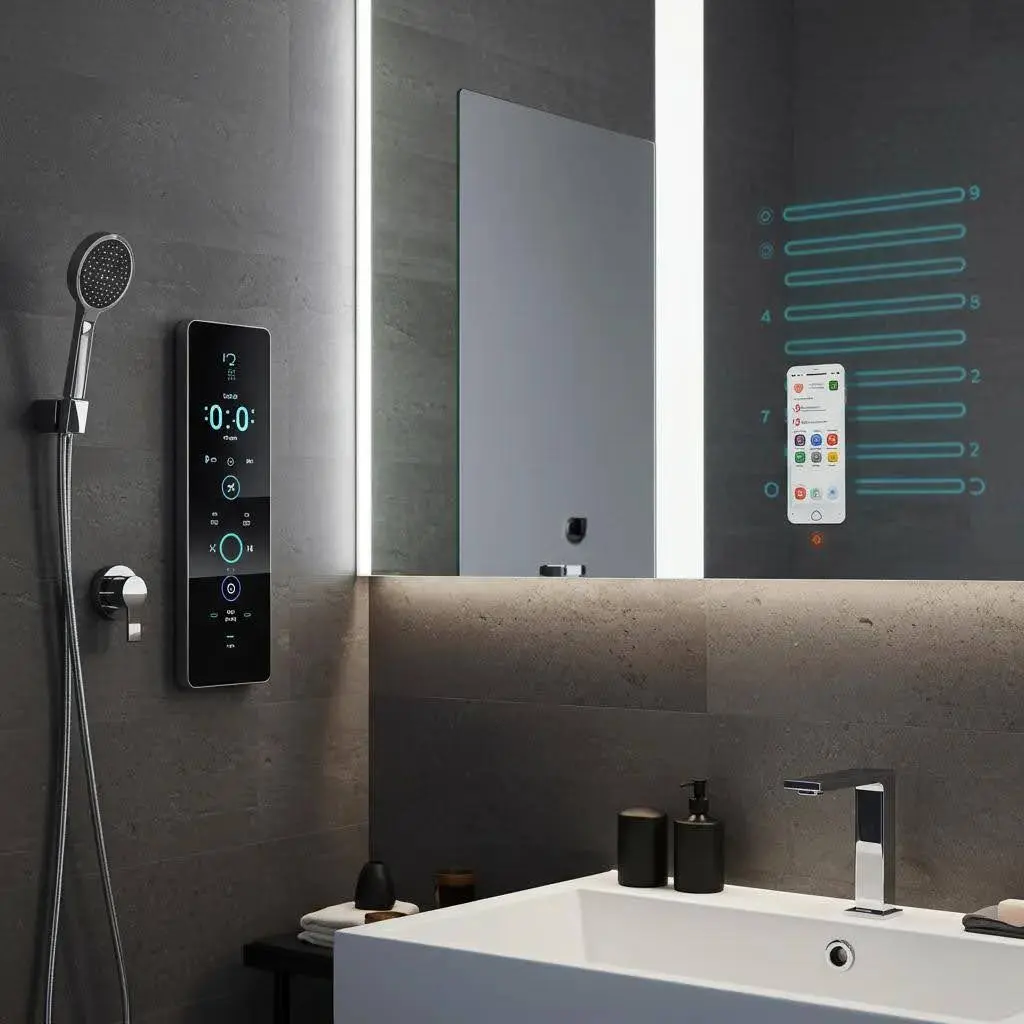
Smart bathroom technologies, digital showers, programmable underfloor heating, heated mirrors, and app-controlled taps enhance comfort, efficiency, and user experience. Successful integration requires early M&E coordination for power, waterproofing, and control locations, with compliance with regulations.
Benefits include improved energy management, personalised comfort, and simplified maintenance. Plan installation to ensure product compatibility and service access. Key smart product categories help clarify homeowner choices during specification.
Smart technology supports a premium user experience and long-term value.
- Digital showers: offer precise temperature and flow control with preset scenes tailored for individual users.
- Underfloor heating with smart thermostat: provides efficient, zoned warmth that significantly enhances comfort.
- Heated mirrors and lighting: feature anti-fog capabilities with dimmable, layered lighting control for optimal ambience.
Evaluate compatibility and maintenance before procurement to ensure smooth integration.
Trending Materials: Marble, Italian Tiles, & Sustainable Options
Trending materials combine classic marble with high-performance Italian porcelain and sustainable tiles (recycled content), balancing aesthetics, durability, and environmental impact. Marble offers luxury but needs maintenance; Italian porcelain provides durability with less upkeep.
Sustainable options (recycled-glass, low-VOC, low-carbon ceramics) offer environmental benefits and diverse designs. Material selection should weigh maintenance, lifecycle emissions, and suitability for London’s humidity and usage.
London Regulations & Permits for Renovation
London projects require navigating planning permission, building regulations (plumbing, electrical, waterproofing), and stricter processes for listed or conservation properties, all of which impact design and timelines. Regulations may require local authority consent for structural or external works and ensure M&E/structural safety.
Early familiarity prevents delays and aids contingency allocation. We clarify permission requirements, building regulations for heritage properties, and common challenges with mitigation strategies.
When is Planning Permission Required?
Planning permission is generally needed for external works, structural extensions, or significant external alterations. Most internal refurbishments are permitted development if the external character is unchanged. Triggers include external vents, enlarged windows, or extensions.
Early consultation with planning departments and conservation-area reviews prevents delays. Listed buildings require listed-building consent for internal alterations, making specialist advice essential.
Building Regulations for Listed & Conservation Properties
Building regulations for waterproofing, ventilation, insulation, and electrical safety apply to listed and conservation properties and often require additional heritage consents. Interventions must meet safety standards while preserving historic fabric, necessitating bespoke detailing, sympathetic materials, and consultation with conservation officers.
Solutions include reversible methods, non-invasive fixings, and thorough documentation. Experienced contractors minimise friction between modern standards and preservation.
Common Challenges & Solutions
Common London challenges include restricted access, noise limits, limited storage, and hidden defects in older buildings, all of which can increase timelines and costs.
Solutions involve early logistics planning, scheduled deliveries, off-site prefabrication, and careful programming to reduce disruption. Adequate contingency for unexpected findings and clear client communication help prevent disputes. Proactive mitigation and realistic programming minimise the impact of urban constraints.
Maximising Space in Small Luxury Bathrooms
Maximising space in small London bathrooms relies on intelligent layouts, compact or wall-hung fixtures, wet room principles, and strategic lighting to create spaciousness without compromising luxury. The core principle is enhancing perceived volume via reflective surfaces, uninterrupted sightlines, and integrated storage, while ensuring technical compliance.
Benefits include improved usability, enhanced resale appeal, and high-end features in compact spaces. We cover fixture/layout options, wet room advantages, and storage/lighting tactics.
Best Space-Saving Fixtures & Layouts
Space-saving fixtures include wall-hung WCs and basins, compact vanities, and corner or curved shower enclosures, freeing floor space and simplifying cleaning. Layouts enhance flow by positioning wet zones along one wall, minimising plumbing, and creating unobstructed sightlines.
Custom joinery (recessed cabinets, niches) utilises dead space and keeps surfaces clutter-free. Slimmer radiators or combined heating/towel rails provide warmth without occupying wall space.
Wet Rooms: Luxury & Functionality in Compact Spaces
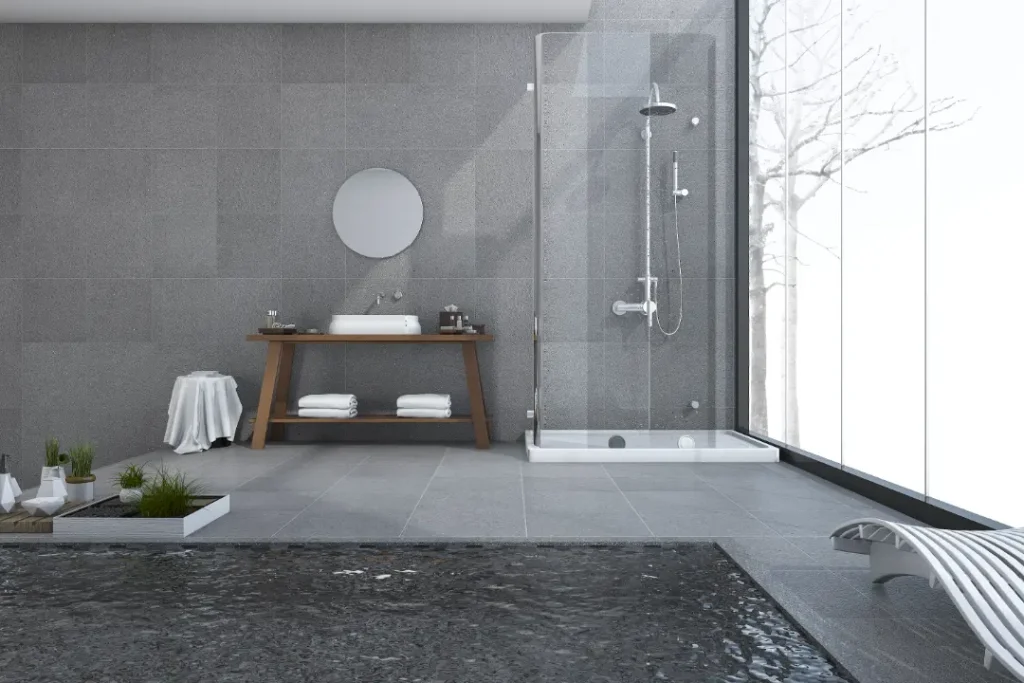
Wet rooms eliminate bulky enclosures, creating an open, accessible, fully waterproofed zone with a discreet drain that feels expansive and contemporary. They require rigorous waterproofing, appropriate falls, and strict building-regulation compliance for longevity.
Correctly executed, wet rooms offer level access, simplified cleaning, and luxury features like rain showers. Weigh costs and maintenance against spatial and aesthetic advantages to confirm suitability.
Storage & Lighting Solutions for Usability
Integrated mirrored cabinets, recessed niches, and bespoke under-basin storage maximise space and keep countertops clear, fostering a luxurious atmosphere. Layered, dimmable lighting (task, ambient, accent) plus heated mirrors enhances functionality and mood, making small rooms brighter.
Light-reflecting finishes (semi-polished porcelain, chrome) and careful colour palettes increase perceived size and prevent clutter. Combining practical storage with thoughtful lighting preserves luxury and improves daily usability.
Choosing Luxury Bathroom Fitters & Designers in London
Selecting luxury bathroom fitters and designers requires vetting portfolios, trade accreditations, and understanding their procurement and quality control for high-end finishes. Focus on tangible evidence: high-end work examples, clear project management, and specialist trade experience (e.g., heritage waterproofing).
The right team minimises risks in timing, quality, and compliance, leading to a higher-value outcome. We outline qualifications, showcase TMT Central Bathrooms, and provide vetting questions.
Qualifications & Experience for Fitters
Seek specialist tilers, accredited electricians, and plumbers with proven luxury project experience, references, and case studies. Verify insurance, warranties, and trade accreditations for liability and building control.
Experience with listed/conservation properties and a relevant portfolio are valuable. Confirm their supply chain for premium materials and ability to manage long-lead bespoke items.
TMT Central Bathrooms: Craftsmanship & Service Excellence
TMT Central Bathrooms, a London-based company, specialises in bespoke luxury bathroom renovations, focusing on bespoke design, careful craftsmanship, premium materials, transparent project management, and London-specific expertise. Their methodology integrates design, procurement, and installation for quality control and minimal disruption.
Offering comprehensive bathroom design services and bathroom installations, they guide clients from concept to aftercare. This integrated model demonstrates expert management of bespoke requirements with clear communication and predictable milestones.
Questions Before Hiring a Renovation Team
Before hiring, inquire about detailed timelines, fixed/provisional cost breakdowns, lead times for bespoke items, and variation management to control budget. Request project examples, client references, insurance, accreditations, and warranty terms.
Clarify site supervision and snagging. Ask about handling listed buildings, planning/building-regulation approvals, and recommended contingency for hidden defects in older London properties. Confirm communication frequency, reporting, and dispute resolution to protect your investment.
Benefits of Sustainable & Eco-Friendly Renovations
Sustainable luxury bathrooms integrate low-carbon materials, water-efficient fittings, and advanced heating systems to reduce operational costs, improve air quality, and appeal to eco-conscious homeowners. Sustainability adds value through lower running costs and increased market appeal from certified materials.
Benefits include lower utility bills, durable finishes, and improved indoor air quality with low-VOC products. We’ll detail eco-friendly materials/technologies, how sustainability enhances property value, and practical green renovation advice.
Eco-Friendly Materials & Technologies
Eco-friendly options include low-carbon recycled tiles, water-efficient taps and showers, dual-flush WCs, and smart-thermostat-controlled underfloor heating. Low-VOC adhesives, sealants, and paints minimise indoor emissions.
Certified products verify environmental credentials. Lower-carbon or renewable heating sources reduce long-term impact and running costs. These choices achieve luxury without compromising sustainability.
Sustainability: Enhancing Value & Comfort
Sustainable choices reduce energy and water expenses and enhance perceived quality through durable materials and modern efficiencies, valued by urban buyers. Efficient showers, insulated wet zones, and controllable underfloor heating offer immediate comfort and lower lifecycle costs.
Market demand for eco-conscious homes translates to resale advantages. Sustainability is a lifestyle enhancement and a value-preserving strategy, not just an added cost.
Practical Tips for Green Renovation
Prioritise high-impact measures: efficient fittings, durable surfaces, and smart heating controls offer savings and comfort with a modest initial cost. Consider lifecycle costs (maintenance, replacements, energy) over the upfront price.
Source certified products from transparent suppliers, balancing aesthetics with performance. Coordinate with your project manager for efficient procurement and installation, reducing waste and optimising logistics in London.
Frequently Asked Questions
Benefits of Hiring a Professional Designer
Hiring a professional designer offers specialised knowledge, innovative solutions, and industry connections. Designers optimise space, select superior materials, ensure regulatory compliance, and manage timelines/budgets, preventing costly errors. They create cohesive aesthetics that reflect personal style and enhance home value, for a smoother, more rewarding renovation.
How can I ensure my luxury bathroom renovation is environmentally friendly?
To ensure an environmentally friendly luxury bathroom, select sustainable materials (recycled tiles, low-VOC paints) and water-efficient fixtures (dual-flush toilets, low-flow showerheads). Use energy-efficient heating like smart-thermostat-controlled underfloor heating.
Work with eco-focused contractors. Informed choices prioritise sustainability, creating a luxurious, comfortable, and efficient bathroom aligned with environmental values.
Common Mistakes to Avoid During Renovation
Avoid common mistakes: underestimating the budget, inadequate storage, and poor layout design. Establish a realistic budget with a buffer for unforeseen expenses. Ensure sufficient storage for an organised space. Don’t neglect proper lighting and ventilation. Engage professionals and do thorough research to mitigate these issues for a successful renovation.
How long does a luxury bathroom renovation typically take?
Luxury bathroom renovations typically take 4 to 12 weeks, depending on complexity, size, and scope. This includes consultation, design, procurement, and installation. Custom cabinetry, structural modifications, or specialist trades can extend the timeline. Effective project management and clear communication are vital for timely completion and quality.
Considerations for Choosing Fixtures and Fittings
When choosing fixtures and fittings, consider style, functionality, and durability. Opt for high-quality, moisture-resistant materials like brass or stainless steel.
Ensure the design complements your bathroom’s aesthetic (modern, traditional, spa-inspired). Evaluate practicality, ease of cleaning, and maintenance. Assess energy and water efficiency for sustainability and reduced long-term costs.
How can I incorporate smart technology into my bathroom renovation?
Incorporating smart technology enhances convenience and efficiency. Consider digital showers for precise temperature control, smart mirrors with anti-fog and integrated lighting, and underfloor heating with smart thermostats for comfort and energy optimisation.
Ensure device compatibility with existing systems and consult professionals for proper installation and regulatory compliance.
Key Trends in Luxury Bathroom Design for 2025
Key luxury bathroom design trends for 2025 emphasise wellness, sustainability, and smart technology integration. Spa-inspired designs with natural materials, calming palettes, and wet zones are popular. Bold tile statements and distinctive fixtures allow personal expression.
Smart technologies (app-controlled lighting/heating) enhance convenience and efficiency. These trends reflect a desire for luxurious, functional spaces promoting relaxation and well-being.