Choosing between a walk-in shower and a wet room changes how your bathroom looks and works. In London, space and layout matter. Budget does too.
In this guide, we explain the key differences in design, waterproofing, and drainage. You’ll also see typical cost ranges and what affects price.
We cover accessibility for seniors and users with limited mobility, and the option that suits small bathrooms best. We also highlight popular trends, materials, and smart features.
What Are the Key Differences Between Walk-in Showers and Wet Rooms?
Walk-in showers and wet rooms are both popular choices for modern bathrooms, but they differ significantly in design and functionality.
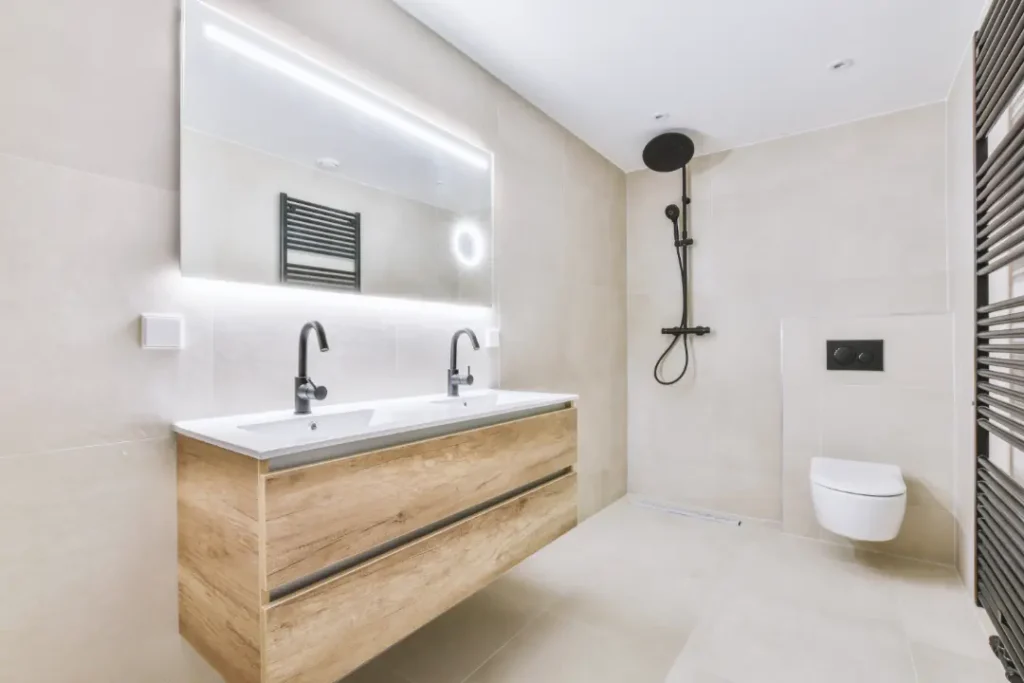
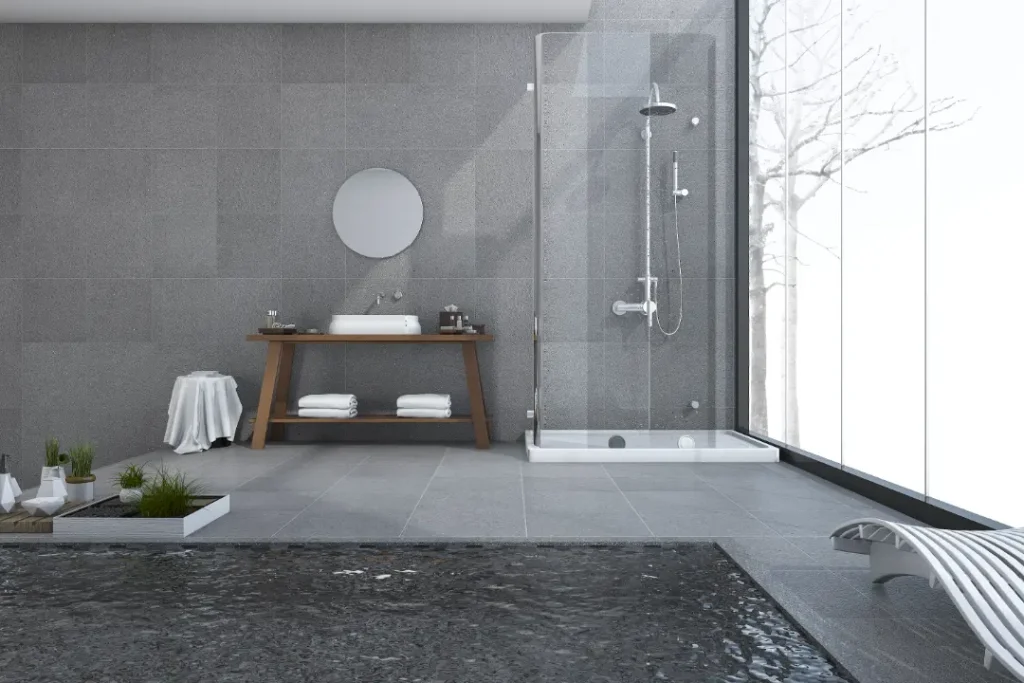
A walk-in shower typically features a glass enclosure and a designated shower area, while a wet room is an open space where the entire room is waterproofed, allowing for a seamless transition between the shower and the rest of the bathroom.
This fundamental difference in design leads to various implications for installation, maintenance, and overall user experience.
Walk-in Showers and Wet Rooms Differ in Design and Structure
Walk-in showers are designed with a focus on convenience and accessibility. They can include features such as low thresholds and grab bars, making them suitable for users of all ages.
In contrast, wet rooms offer a more minimalist aesthetic, as they eliminate the need for a shower enclosure. This design flexibility allows homeowners to create a spacious and open feel in their bathrooms, which can be particularly appealing in smaller spaces.
The Distinct Waterproofing and Drainage Features
Waterproofing is a critical aspect of both walk-in showers and wet rooms. Walk-in showers typically utilise a combination of waterproof membranes and sloped flooring to direct water towards the drain.
Wet rooms, on the other hand, require comprehensive waterproofing systems that cover the entire floor and walls to prevent water damage.
This includes the installation of specialised drainage systems that can handle the increased water flow, ensuring effective drainage and minimising the risk of leaks.
What Are the Cost Considerations for Walk-in Showers vs Wet Rooms in London?
When considering a bathroom renovation, understanding the cost implications of walk-in showers and wet rooms is essential. The installation costs can vary significantly based on the materials used, the complexity of the design, and the labour involved.
Installation and Material Costs Compare
The typical reported cost of installing a walk-in shower in London ranges from £2,500 to £5,000, depending on the materials and fixtures chosen. In contrast, wet rooms can be more expensive, with installation costs typically starting at around £4,000 and potentially exceeding £8,000 for high-end finishes and complex designs.
| Installation Type | Average Cost Range |
|---|---|
| Walk-in Shower | £2,500 – £5,000 |
| Wet Room | £4,000 – £8,000+ |
Factors Influencing Pricing for Luxury Bathroom Renovations in London
Several factors can influence the pricing of luxury bathroom renovations in London. These include the choice of materials, the complexity of the design, and the location of the property.
High-end materials such as marble and custom fittings can significantly increase costs, while the labour market in London can also affect overall pricing. Homeowners should consider their budget and prioritise features that align with their vision for the space.
File Location: https://drive.google.com/file/d/1tQLVyj_VDNWbliUpD2FFPcEPwJXTamnG/view?usp=sharing
Alt Tag: Factors Influencing Pricing for Luxury Bathroom Renovations in London
What Are the Accessibility Benefits of Walk-in Showers and Wet Rooms?
Accessibility is a crucial consideration for many homeowners, especially those with mobility challenges. Both walk-in showers and wet rooms offer unique benefits in this regard.
Features Enhance Mobility and Safety in Accessible Walk-in Showers
Walk-in showers can be designed with accessibility in mind, featuring low thresholds, grab bars, and non-slip surfaces. These elements enhance safety and make it easier for individuals with limited mobility to use the shower independently.
Additionally, the open design allows for easy access for caregivers if needed.
Step-Free Accessibility for Seniors and Disabled Users
Wet rooms can provide step-free access by eliminating barriers such as shower doors and curbs. The level access design allows for easy movement within the space, making it a practical choice for seniors and disabled users.
Furthermore, the customizable nature of wet rooms means that homeowners can incorporate features such as seating and handheld showerheads to enhance usability.
Designing bathrooms with inclusivity in mind is paramount, ensuring that spaces are functional and safe for all users, including the elderly and disabled.
How Do Design Trends Influence Walk-in Shower and Wet Room Choices in London?
Design trends play a significant role in shaping homeowners’ preferences for walk-in showers and wet rooms. Recently, several key trends have emerged in the luxury bathroom renovation market.
Luxury Materials and Fixtures Are Popular in London Bathroom Renovations
Homeowners are increasingly opting for luxury materials such as Italian tiles, custom fittings, and high-end fixtures in their bathroom renovations.
These materials not only enhance the aesthetic appeal of the space but also contribute to the overall value of the home. The use of natural stone and sustainable materials is also gaining popularity, reflecting a growing awareness of environmental considerations.
File Location: https://drive.google.com/file/d/1tQLVyj_VDNWbliUpD2FFPcEPwJXTamnG/view?usp=sharing
Alt Tag: Luxury Materials and Fixtures Are Popular in London Bathroom Renovations
Smart Features for Today’s Shower Enclosure Options
Smart technology is becoming an integral part of modern bathroom designs. Features such as digital shower controls, smart lighting, and water-efficient fixtures are increasingly being incorporated into walk-in showers and wet rooms.
These innovations not only enhance convenience but also promote sustainability by reducing water consumption.
Which Shower Option Maximises Space and Functionality in Small London Bathrooms?
Space is often at a premium in London bathrooms, making it essential to choose a shower option that maximises functionality without compromising on style.
Walk-in Showers Optimise Space in Compact Bathrooms
Walk-in showers can be designed to fit seamlessly into compact spaces, utilising glass panels to create an illusion of openness. This design approach allows homeowners to maintain a spacious feel while providing a functional shower area.
Additionally, the absence of bulky enclosures can make the bathroom appear larger and more inviting.
Wet Room Design Considerations Enhance Small Bathroom Usability
Wet rooms can also be a strong choice for small bathrooms, as they eliminate the need for a separate shower area. By waterproofing the entire space, homeowners can create a cohesive look that maximises usability.
Design considerations such as wall-mounted fixtures and built-in storage can further enhance the functionality of wet rooms in compact settings.
How Can London Homeowners Decide Between a Walk-in Shower and a Wet Room?
Deciding between a walk-in shower and a wet room involves considering various factors, including budget, space, and user needs.
Wet Room Design Considerations Enhance Small Bathroom Usability
Homeowners should assess their budget and the specific needs of their household when making this decision. For those with limited space, a walk-in shower may be the more practical option, while wet rooms can provide a luxurious and accessible solution in many layouts.
Additionally, considering the long-term value and maintenance requirements of each option is essential for making an informed choice.
Choose TMT Central Bathrooms for Bespoke Installation and Consultation
For homeowners seeking practical guidance in their bathroom renovation journey, with TMT Central Bathrooms, we offer bespoke bathroom installation and renovation services.
With a focus on luxury bathroom renovations, we provide tailored solutions that meet the specific needs of each client. Their commitment to quality craftsmanship and premium materials supports a bathroom transformation that meets your goals.
Frequently Asked Questions
What are the maintenance requirements for walk-in showers and wet rooms?
Maintenance for walk-in showers typically involves regular cleaning of glass panels and fixtures to prevent soap scum and water spots. The grout and tiles may require periodic sealing to maintain their integrity. Wet rooms, on the other hand, necessitate more comprehensive upkeep due to their open design.
Can I install a walk-in shower or wet room in a small bathroom?
Yes, both walk-in showers and wet rooms can be effectively installed in small bathrooms. Walk-in showers can be designed with glass panels to create an illusion of space, while wet rooms eliminate the need for bulky enclosures, allowing for a seamless flow.
What are the environmental impacts of choosing a walk-in shower versus a wet room?
Both walk-in showers and wet rooms can be designed with sustainability in mind. Walk-in showers can use less water than traditional bathtubs, especially when equipped with water-efficient fixtures.
Wet rooms can also incorporate eco-friendly features like water-efficient showerheads and energy-efficient heating.
How do I choose the right materials for my walk-in shower or wet room?
Choosing the right materials for your walk-in shower or wet room involves considering durability, aesthetics, and maintenance. For walk-in showers, opt for non-slip tiles and high-quality glass that can withstand moisture. In wet rooms, waterproof membranes and tiles that are resistant to water damage are crucial.