Renovating a small bathroom in a London home means making the most of a tight footprint while keeping comfort, circulation, and a high-end finish. This guide sets out practical layout principles, space-saving fixture choices, and visual strategies that maximise usable area in compact plans.
Whether you live in a narrow Victorian terrace or a modern flat, considering sequencing, scaled sanitaryware, and vertical storage delivers real gains without compromising finish quality. At TMT Central Bathrooms, we design and manage refurbishments to turn these principles into realistic plans that deliver a premium result with minimal disruption.
Read on for clear, actionable layout types, recommended fixtures, storage comparisons, visual techniques, and bespoke considerations tailored to London property constraints.
How Can You Maximise Space In Small Bathroom Layouts?
Maximising space begins with clear zoning: define wet and dry areas, plan unobstructed circulation, and sequence fixtures so door swings and walkways remain free.
Efficient plans often use one-wall or corridor arrangements and place showers or baths at the far end to free up central circulation; this reduces wasted corners and improves ergonomics.
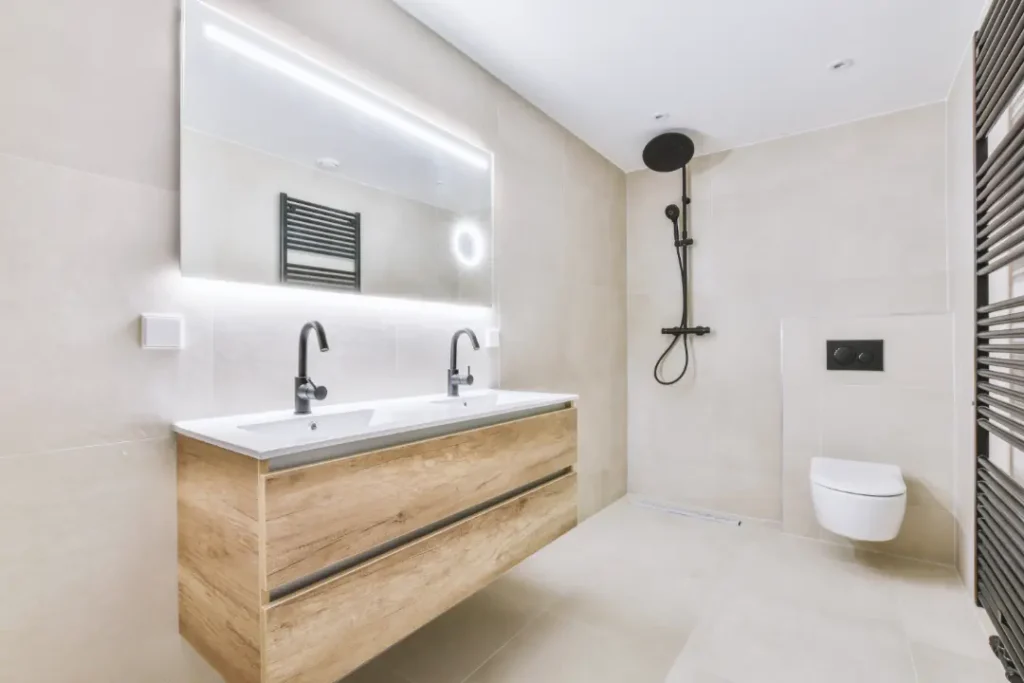
Carefully chosen fixtures, compact basins, corner showers, and wall-hung WCs, cut footprint and create visible floor area that improves flow. The quick tips below are practical starting points when sketching a small bathroom layout.
For concise, how-to guidance, follow these key steps:
- Sequence fixtures logically: place the shower or bath first, basin next, and WC last to simplify plumbing and circulation.
- Keep the floor clear: wall-mounted sanitaryware increases perceived space and makes cleaning easier.
- Choose space-saving door options: sliding or outward-hinged doors preserve internal clearance and improve flow.
These steps give a practical foundation for layout sketches and set up fixture selection and retrofit considerations.
Best Space-Saving Bathroom Fixtures In The UK
Space-saving fixtures deliver immediate space gains through smaller footprints and smarter installation. Wall-hung WCs and floating vanities reduce visual bulk and allow plumbing to be concealed, while corner shower enclosures reclaim otherwise unused corners.
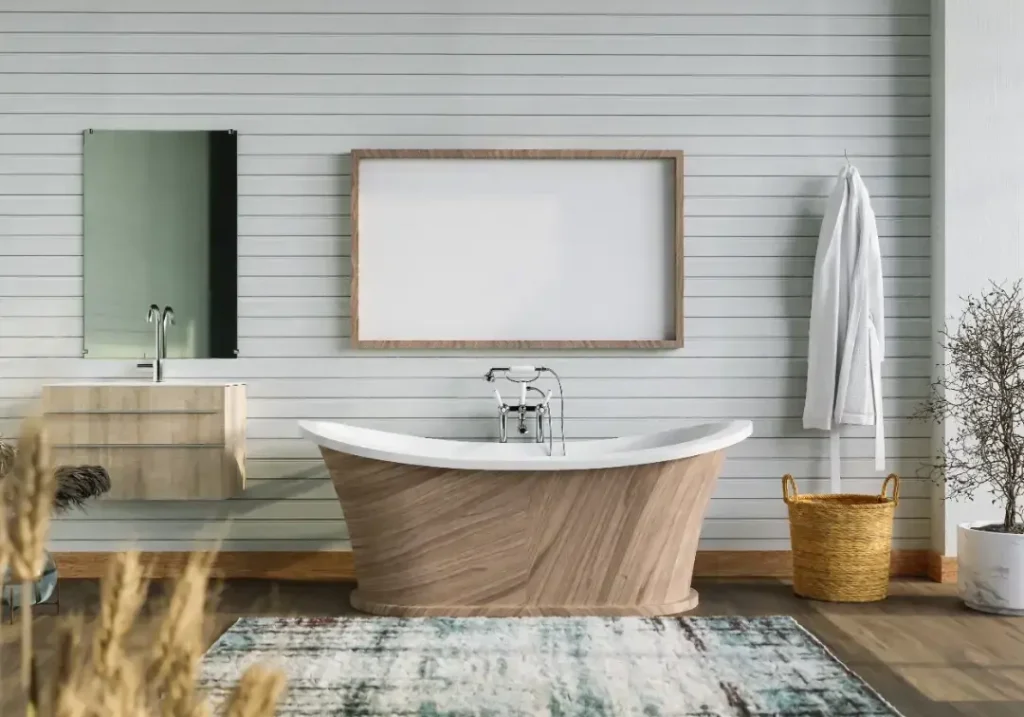
Slimline baths and compact basins provide bathing and hand-washing functions in reduced lengths, ideal for terraces and small flats. When choosing fixtures, compare the typical footprint and installation complexity to decide what suits a retrofit versus a full renovation.
| Fixture | Typical Footprint | Best For |
|---|---|---|
| Wall-hung WC | 450–520 mm depth | Flats with suitable stud walls |
| Corner shower enclosure | From 760×760 mm | Small en-suites and cloakrooms |
| Compact basin | 350–450 mm width | Narrow rooms and cloakrooms |
Use this table to prioritise fixtures based on available floor area and installation practicality.
Wall-Mounted Toilets And Floating Vanities In Small Bathroom Layouts
Wall-mounted WCs and floating vanities help both function and perception by freeing visible floor area and creating cleaner sightlines. They need solid wall support or a concealed cistern frame, which can add complexity upfront but deliver long-term space and cleaning benefits.
Floating vanities can house drawers and bins, reducing the need for extra cabinets and improving circulation. Arrange for a structural check early so these fittings integrate smoothly with finishes and plumbing runs.
What Smart Storage Solutions Work Best For Small Bathrooms?
Smart storage turns a cluttered compact bathroom into a calm, functional space by moving items off the floor and into wall space. Tall vertical cupboards, recessed shower niches, and mirrored cabinets each solve different needs while preserving circulation.
Prioritise recessed options where wall thickness allows, and choose shallow cupboards for corridor or galley plans to avoid tight spots. The comparison below clarifies typical dimensions and best uses for each storage type.
Refer to the storage comparison to simplify planning and quotations
| Storage Type | Typical Dimensions | Best For / Benefit |
|---|---|---|
| Tall cabinet | 300–400 mm wide | Linen and bulk storage in alcoves |
| Recessed niche | 150–300 mm deep | Shower products; keeps bottles off shelves and edges |
| Mirror cabinet | 100–150 mm deep | Daily toiletries and a reflective surface |
This comparison shows how each storage type balances depth, capacity, and visual simplicity, a useful guide for narrow London bathrooms.
Vertical Storage And Recessed Niches To Optimise Space
Vertical storage uses wall height rather than floor area, so tall, slim cupboards and over-door shelving suit narrow properties. Recessed niches in shower walls or beside baths create useful storage without projecting into the room, particularly helpful in Victorian party-wall areas or modern cavity situations.
When specifying niches, align waterproofing and tile layouts to avoid difficult repairs later, and keep niche depths and shelf heights consistent for easy access. Good detailing keeps recessed options looking bespoke and durable in wet areas.
Benefits Of Mirror Cabinets And Integrated Storage
Mirror cabinets act as both space-enhancing mirrors and hidden storage, removing the need for separate tall furniture while improving light distribution. Shallow mirror cabinets (100–150 mm deep) hold daily toiletries without interfering with door swings.
Integrated LED lighting and demisting enhance usability and should be positioned for easy access. Well-organised internal shelving and labelled trays help small bathrooms function like larger spaces.
Which Visual Techniques Make Small Bathrooms Appear Larger?
Visual continuity matters: seamless surfaces, light palettes, and large-format tiles reduce visual fragmentation and extend sightlines, making rooms feel bigger. Large tiles minimise grout lines for continuous planes, while a colour-drench approach (extending the same finish across walls and floor) increases cohesion.
Frameless glass and oversized mirrors preserve sightlines and multiply light, so compact plans feel more open. Below are concise technique descriptions to use during material selection.
| Technique | Mechanism | Practical Tip |
|---|---|---|
| Large-format tiles | Fewer grout lines | Use 600×1200 mm or larger where possible |
| Light palette and colour-drench | Continuous surface continuity | Extend floor tone up half-height walls for depth |
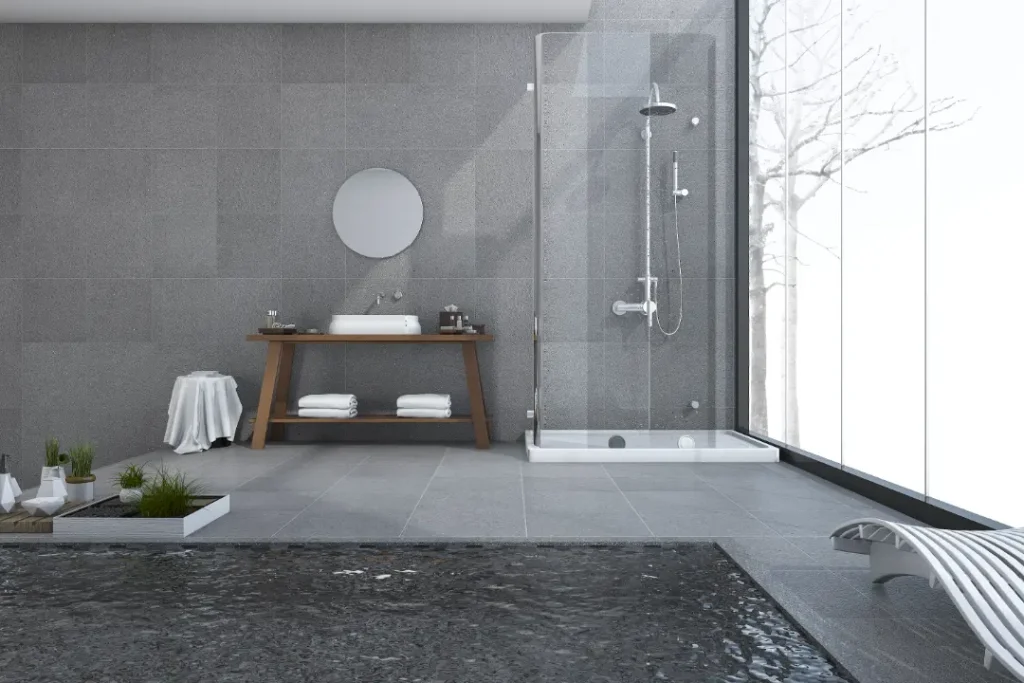
| Frameless glass | Uninterrupted sightlines | Opt for a single fixed panel over a full enclosure |
These techniques combine optical and material strategies to create a cohesive, larger-feeling interior without increasing the footprint.
Light Colour Palettes And Large-Format Tiles To Enhance Space
Light colours reflect ambient light and soften contrasts between surfaces, which makes the room feel larger. Large-format porcelain or stone-effect tiles reduce joints and create a continuous surface that pulls the eye across the space rather than breaking it into small planes.
Match grout colour to tile tone to keep continuity, and consider tiling to mid-height to protect walls and enhance depth. These choices boost perceived scale with modest extra cost.
Strategic Lighting And Frameless Glass Showers For Small Bathrooms
Layered lighting, ambient ceiling light, task lighting at mirrors, and accent uplighting, adds depth and functional clarity in compact bathrooms. Frameless glass shower screens preserve sightlines, avoiding the visual barrier of framed enclosures or curtains.
Combine mirrors with well-placed downlights to spread light into corners and use IP-rated strips in wet zones for safety. Thoughtful lighting and glass choices make the space feel larger and more refined while supporting everyday use.
How Can Bespoke Design Address London’s Small Bathroom Challenges?
Bespoke design adapts fixture selection, materials, and sequencing to each plan, turning constraints into considered features rather than compromises.
In London, this often means working around shared walls, narrow corridors, and varied ceiling heights with custom joinery, relocated services, and precision glazing that respects the building’s character.
TMT Central Bathrooms specialises in translating these solutions into managed projects, combining skilled craftsmanship, quality materials, and transparent project management to limit disruption and deliver a high-end finish. A single design-and-build provider streamlines decisions and keeps quality consistent across trades.
Ergonomic Layout Principles For Compact London Bathrooms
Ergonomic planning sets minimum clearances and sensible fixture offsets to maintain comfortable circulation. Keep clear approaches to basins and WCs, aim for 600–700 mm clear space in main circulation paths where possible, and favour sliding or pocket doors to recover swing clearance.
Position controls and storage within arm’s reach, and stagger fixtures to avoid clashes. These rules maximise usability and reduce any sense of enclosure.
High-Quality Materials And Project Management In Small Bathroom Renovations
High-quality materials, large-format porcelain, stone-effect surfaces, and quality brassware read as high-end even in small areas because they add texture and reflectivity in measured doses. Strong project management coordinates trades, schedules wet work, and limits homeowner disruption with clear timelines and quality checks.
Choosing a single managed service for bespoke design and installation aligns material selection with build sequencing, ensuring delicate finishes and structural changes are executed correctly.
When homeowners are ready to plan the work, contacting TMT Central Bathrooms starts a consultation where constraints are assessed and a tailored plan with timelines and finish options is presented.
Frequently Asked Questions
What Are The Key Considerations When Planning A Small Bathroom Renovation?
Start with the layout, fixture choices, and storage strategy. Zone wet and dry areas, ensure clear circulation, and select space-saving fittings that suit the room’s shape.
Consider aesthetic choices, colour, tile size, and finishes, because these affect perceived space. Early checks on plumbing and electrical routes reduce unexpected changes. Engaging a professional early helps coordinate these elements and keeps the project on track.
How Can I Choose The Right Colour Scheme For A Small Bathroom?
Choose light, neutral tones to reflect light and make the space feel more open, soft whites, pale greys, or muted blues work well. A largely monochrome palette maintains visual continuity; add subtle contrast through accessories.
Colour-drenching (continuing the same tone from floor to wall) enhances depth. Test samples in different lighting before committing.
What Types Of Lighting Are Best For Small Bathrooms?
Layered lighting is most effective: ambient ceiling light, task lighting at the mirror, and accent uplighting for depth. Dimmable LEDs add flexibility and efficiency.
Wall sconces provide flattering task light, while recessed fittings save headroom. Ensure fixtures near wet zones are IP-rated for safety. Good lighting design significantly improves both function and atmosphere.
How Can I Incorporate High-End Elements Into A Small Bathroom?
High-end design in a small bathroom comes from quality materials, considered detailing, and a few well-chosen features.
Opt for well-made taps, refined tiles, and discreet fixtures, a heated towel rail, rainfall showerhead, or bespoke cabinetry can elevate the space. Mirrors and glass increase light and perceived scale.