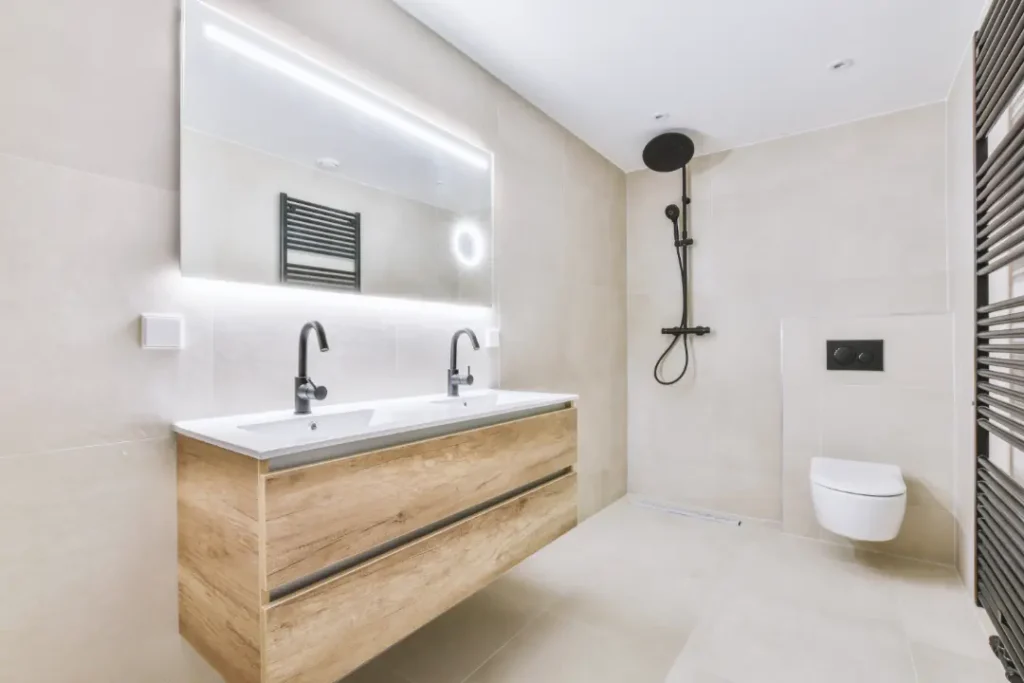
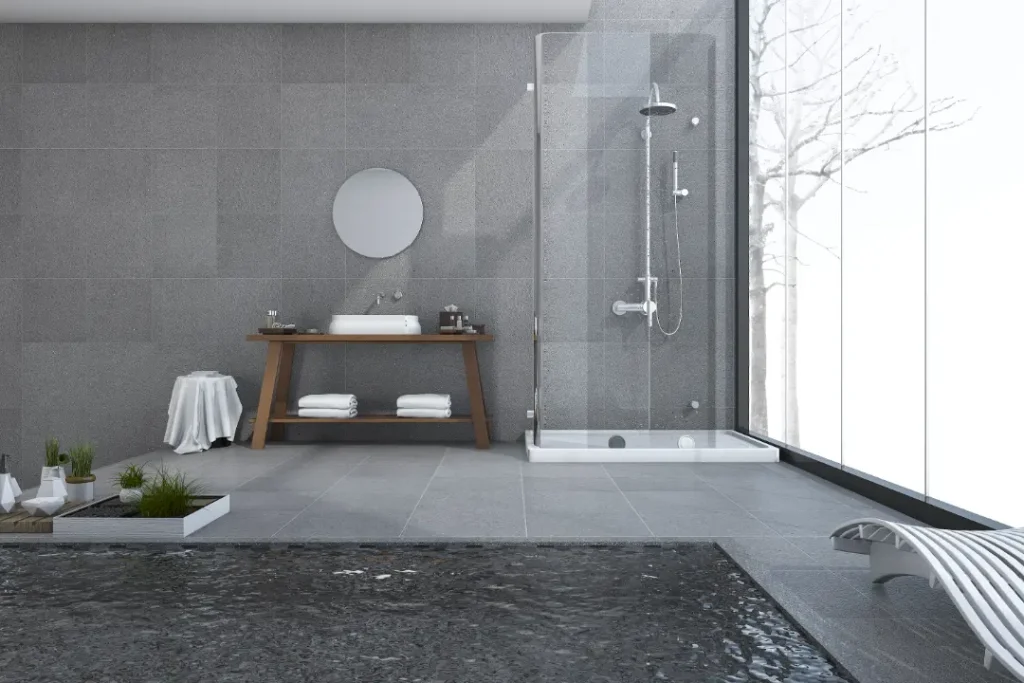
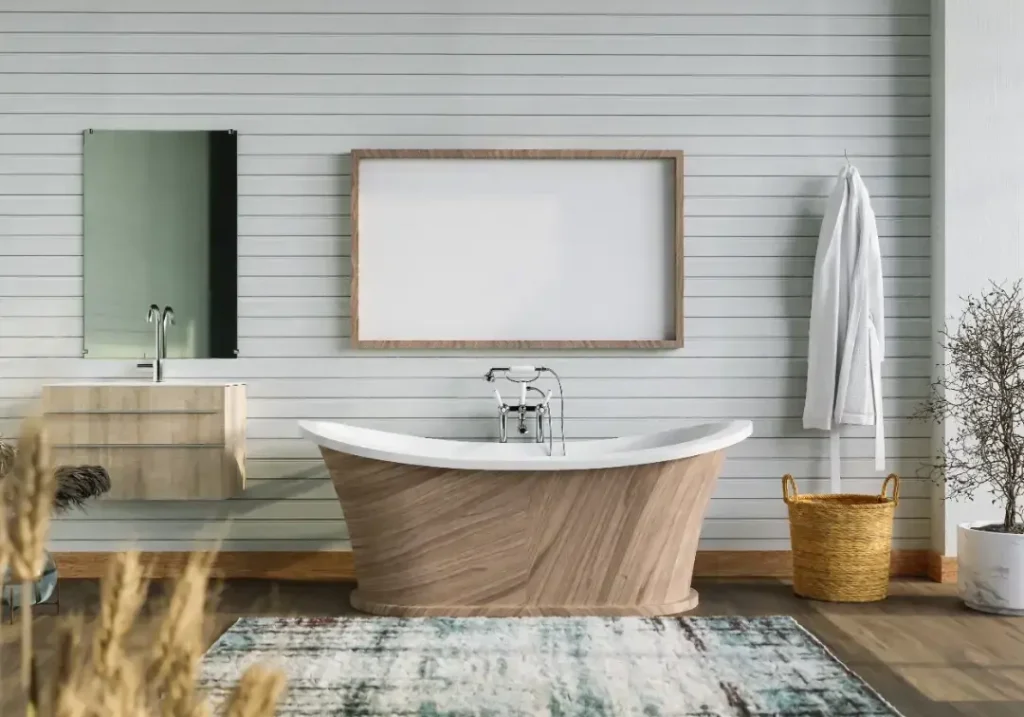
A classic bathroom balances lasting style with thoughtful luxury so your space feels both elegant and genuinely liveable. This guide explains what gives a bathroom its quiet, enduring appeal, from material choices and lighting to the layout and finishing details, and shows London homeowners how to turn those principles into bespoke renovations.
At TMT Central Bathrooms, we specialise in premium bathroom refurbishment and design, sourcing quality fixtures and overseeing installations to achieve results that stand the test of time. Book a consultation to explore options tailored to your home.
You’ll find practical advice on defining timeless elegance, adapting styles for period and contemporary properties, choosing modern luxury looks with smart tech, and creating spa-like retreats, plus clear pointers on materials, trade-offs and maintenance to help you make confident decisions.
What Defines a Classic Bathroom Design with Luxury and Timeless Style?
A classically styled bathroom combines carefully considered proportions, premium finishes and exacting workmanship to create a space that looks calm and performs reliably.
The principle is simple: choose durable materials, arrange them with purpose and layer the lighting to give both visual poise and daily comfort. The result is a bathroom that enhances your home and stays low-maintenance in everyday use.
Below are the key hallmarks of a timeless, ‘classy’ bathroom.
- Materials that age well and develop a refined patina over time.
- Craftsmanship that conceals joins and aligns every detail precisely.
- A layout that prioritises circulation, storage and clear sightlines.
- Layered lighting and tactile fixtures for comfort and subtle drama.
Use these points as a quick checklist when reviewing design proposals or contractor quotes before choosing specific finishes.
Premium Materials For A Classy Bathroom Look
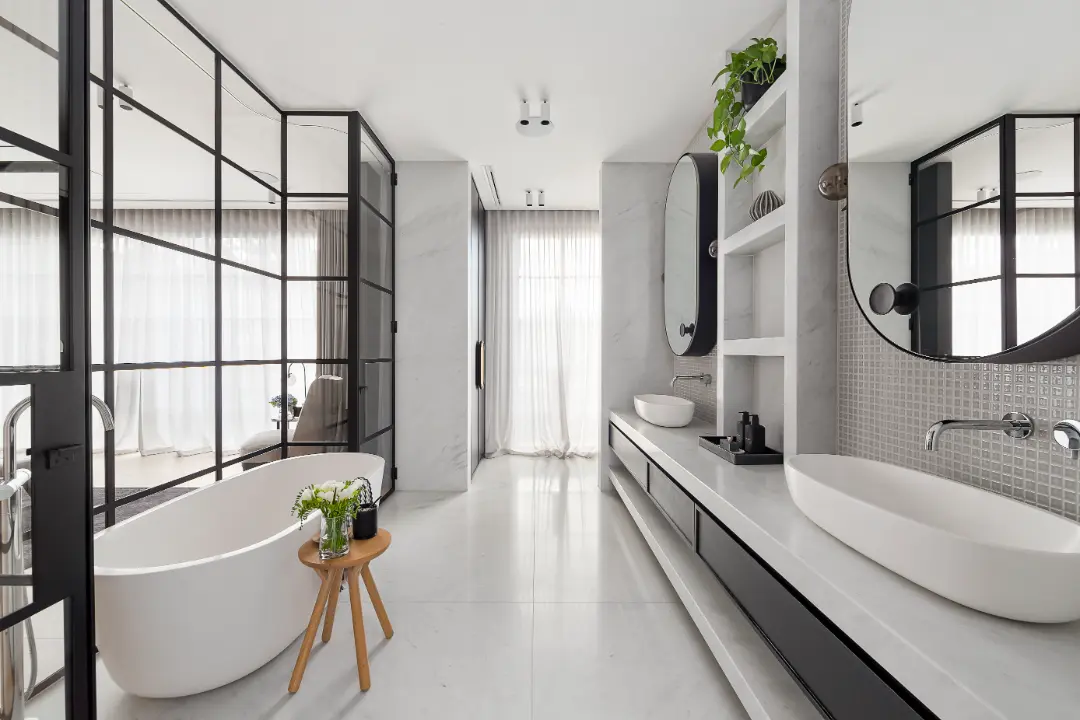
The choice of surfaces determines both how a bathroom looks and how it performs. Marble, granite and Italian porcelain read as elegant; engineered stone offers a similar appearance with easier upkeep.
Material choice affects durability, cleaning and cost, so weigh options against where each surface will be used and how much moisture or wear it will face. The table below summarises common premium materials to help you compare appearance, maintenance and relative cost.
| Material | Durability / Maintenance | Typical Use / Cost Band |
|---|---|---|
| Marble | Highly attractive; needs sealing and careful cleaning; can etch or stain. | Floors, vanity tops, Premium |
| Granite | Extremely durable; low maintenance when sealed. | Worktops, splashbacks, Premium‑High |
| Italian porcelain | Hard‑wearing; realistic stone effects with easy care. | Floors, walls, Mid‑High |
| Engineered stone | Consistent appearance; low porosity and straightforward maintenance. | Vanities, countertops, Mid |
This comparison highlights the trade‑offs between look and upkeep. Choose a primary surface that matches your aesthetic goals and the household’s tolerance for maintenance to keep the bathroom looking ‘classy’ for years.
How Expert Craftsmanship Enhances Bathroom Elegance
Good craftsmanship turns the design into a seamless room: hidden fixings, tight tile joints and bespoke joinery all preserve the intended look. Skilled installers deliver mitred stone edges, neat grout lines and precisely fitted wall-hung fittings so the finish endures.
When appointing trades, ask to see recent projects that show consistent detail and request a workmanship checklist before work begins. High standards of workmanship reduce repair needs and protect the value of premium materials.
How Can You Achieve Timeless Bathroom Styles in London Homes?
Timeless bathrooms favour correct proportion, restrained colour palettes and classic fittings that adapt over decades rather than chase short‑lived trends. Start with the fundamentals, sanitaryware silhouette, tile scale and joinery, then introduce contemporary conveniences in a subtle way.
The benefit is a room that suits both period terraces and modern flats while helping protect resale value. Use the practical principles below when planning a London renovation.
- Prioritise classic silhouettes: freestanding baths, simple vanity profiles and traditional tap shapes.
- Choose neutral palettes: warm creams, soft greys and natural stone tones that let texture be the focus.
- Invest where it matters: waterproofing, drainage and ventilation deliver long‑term value.
Apply these principles to suit the property type: emphasise panelling and sash-window proportions for Victorian terraces; for contemporary flats, use classic materials at an appropriate scale so the room feels restrained and cohesive.
Key Features Of Classic Victorian And Traditional Bathrooms
Victorian and traditional bathrooms typically include freestanding baths, subway or metro tiles, decorative panelling and brass or nickel fittings that underscore period charm.
These elements endure because of their strong silhouettes and their ability to accept modern systems, concealed plumbing, thermostatic valves and underfloor heating, without losing character. When updating, integrate modern services discreetly so heritage and comfort sit together naturally.
How Timeless Designs Balance Functionality And Aesthetics
Balancing use and looks means designing storage and service access so they don’t interrupt the room’s lines. The approach is simple: conceal practical elements behind integrated joinery and plan access panels that match the scheme. A short checklist helps you keep function invisible without compromising style.
- Fit accessible storage behind mirrored cabinets.
- Include mechanical ventilation sized for the room volume.
- Plan access panels close to concealed services for easy maintenance.
Following this checklist keeps the bathroom refined while ensuring it performs well day-to-day and over the long term.
What Are the Best Modern Luxury Bathroom Designs for a Sleek Look?
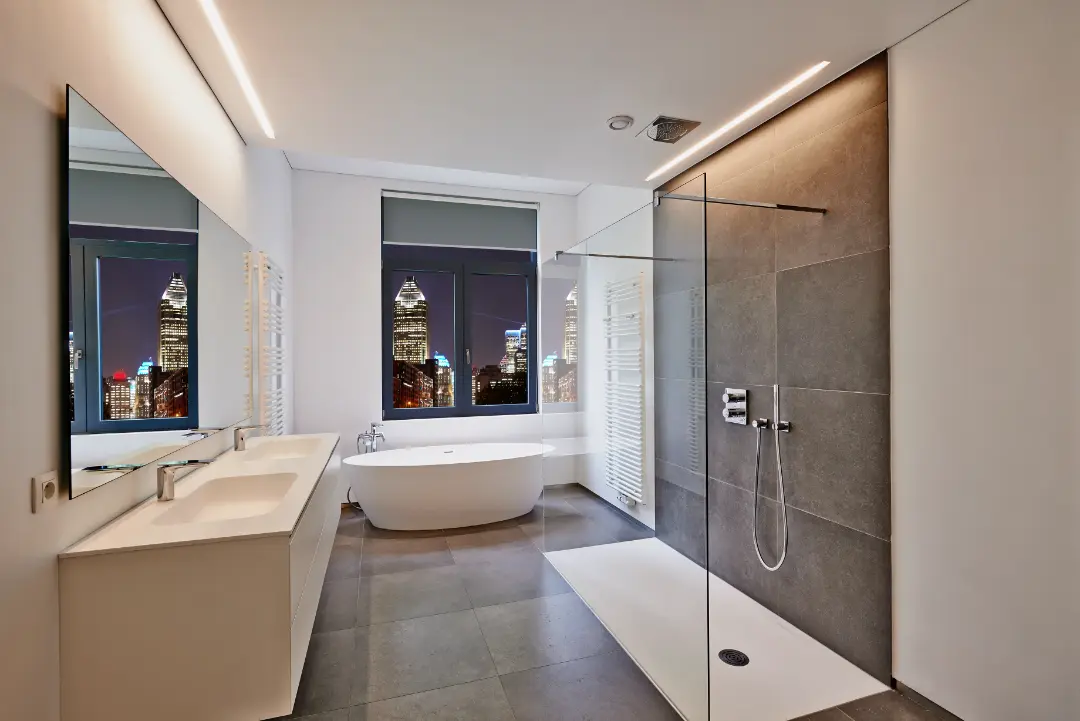
Modern luxury bathrooms favour material continuity, minimal joins and streamlined fittings to create a calm, sculptural space. The method is to simplify form, hide storage and let one or two statement pieces, a sculptural basin or monolithic stone surface, do the talking.
The outcome is a contemporary bathroom that still feels warm thanks to texture and considered tones. Below are high‑impact strategies to consider.
- Continuous flooring and unbroken wall planes for visual flow.
- Frameless glass and wall‑hung sanitaryware to keep the room feeling light.
- Tonal or monochrome palettes with a single contrasting accent.
These strategies help you choose materials and fittings that create contemporary elegance without sacrificing usability.
How Smart Technology Integrates Into Modern Luxury Bathrooms
Smart fixtures, digital shower controls, underfloor heating and integrated lighting scenes, add convenience, efficiency and precise comfort control to a luxury bathroom.
Each system brings benefits for comfort or savings, but they require coordination for compatibility and easy servicing. The table below compares common smart features so you can prioritise by user benefit and installation complexity.
| Smart Feature | Installation Consideration | Primary Benefit |
|---|---|---|
| Smart shower controls | Requires a wired or wireless hub and correct routing. | Precise temperature control and user presets. |
| Underfloor heating | Needs floor build‑up planning and controls integration. | Even, comfortable warmth underfoot. |
| Intelligent lighting | Integrates with scenes, sensors and dimmers. | Mood setting and energy savings. |
| Sensor taps | Simple retrofit or new‑build options. | Hygienic use and reduced water waste. |
Use this comparison to balance aspiration against practical constraints. Prioritise systems that improve daily comfort and allow straightforward servicing and future upgrades.
Essential Elements Of Minimalist And Contemporary Bathrooms
Minimalist bathrooms rely on a reduced language of form, concealed storage and warm, tactile materials to avoid a clinical feel while keeping the space serene. Key elements include wall‑hung sanitaryware, integrated storage cavities and timber or stone accents for contrast. The simple do’s and don’ts below help maintain minimalism while keeping the room inviting.
- Do choose concealed handles and integrated lighting for clean lines.
- Do introduce warm stone or timber accents to add tactility.
- Don’t overload the scheme with decorative hardware or busy small‑pattern tiles.
These rules preserve the minimalist intent but ensure the bathroom stays practical and welcoming.
How Do You Create a Spa-Inspired Bathroom Retreat with a Sense of Luxury?
A spa‑inspired bathroom sequences, fixtures and materials to favour ritual, relaxation and sensory control through considered layout, sound treatment and layered light.
The approach is to create distinct zones, cleansing, soaking and preparation, so each moment feels intentional and restorative. The result is a calm retreat within your home that supports wellbeing and lifts daily routines. Key components for a spa scheme include the following.
- Freestanding soaking option: creates a visual focus and encourages long, restorative baths.
- Walk‑in or steam shower: supports efficient cleansing and a spa ritual.
- Layered, dimmable lighting: lets you shift from bright tasks to soft relaxation.
These elements form the basis of a spa layout; careful placement and acoustic treatments will further improve tranquillity.
We’ve completed spa‑retreat projects that pair specialist sourcing with considered installation to achieve this balance. Consult us for tailored fixture selection and planning.
Fixtures And Layouts For A Spa-Like Bathroom Experience
The right fixtures and their placement define the spa ritual: place a freestanding tub by natural light, design a walk‑in shower with a bench for comfort, and locate double vanities for shared routines.
| Fixture | Recommended Placement | Benefit / Design Tip |
|---|---|---|
| Freestanding tub | Near a window or an open wall | Creates a focal point and supports a soaking ritual. |
| Steam/walk‑in shower | At the enclosed end of the plan | Provides restorative steam and privacy. |
| Double vanity | Opposite the entry | Facilitates two‑person use and visual symmetry. |
These placement guidelines help optimize flow and create clear zones that encourage relaxation and practical use.
How Lighting And Natural Materials Create A Relaxing Ambience
Layered lighting combined with stone, timber, and soft greenery produces a warm, restorative atmosphere that reads as high‑end yet natural. Combine task lighting, ambient downlights, and subtle accents with materials that age well.
Maintenance matters, sealed stone, treated timber, and correct ventilation keep the spa mood durable. Use dimmers and colour‑temperature control to move from bright preparation to gentle relaxation.
At TMT Central Bathrooms, we design bespoke bathroom renovations in London, source premium materials, and manage projects transparently for London homeowners seeking a spa-like renovation. Request a free design consultation or a quote to discuss an approach that balances style, durability and everyday comfort.
Frequently Asked Questions
What Are the Benefits of Incorporating Smart Technology in Luxury Bathrooms?
Smart technology brings convenience and efficiency: digital shower controls, intelligent lighting, and underfloor heating let you set precise temperatures and lighting scenes. These features can save energy and water while delivering consistent comfort. They can also improve hygiene, for example, with sensor taps, but they need planning for compatibility and future servicing. Choose systems that are supported and easy to maintain.
How Can I Maintain the Elegance of My Bathroom Over Time?
Regular care keeps a bathroom looking its best. Use the recommended cleaners for each material, reseal natural stone as advised, and address grout or water‑damage early. High‑quality materials such as granite and engineered stone typically need less attention, but all finishes benefit from seasonal deep cleaning and occasional professional servicing to preserve both appearance and function.
What Are Some Cost-Effective Ways to Achieve a Luxury Bathroom Look?
You can create a luxury feel without a full overhaul by focusing on high‑impact elements: swap taps, update a vanity, or add a statement mirror. Fresh paint, quality accessories (towels, mirrors, lighting), and careful styling lift a space affordably. Buying from local suppliers, waiting for trade‑sales or choosing high‑quality mid‑range materials also helps keep costs down while achieving an elevated result.
How Do I Choose the Right Lighting for My Bathroom Design?
Layer different types of lighting: ambient ceiling lights for general illumination, task lighting at mirrors for grooming, and accent lights to highlight features. Use dimmers to change the mood and select fixtures rated for humid environments. Aim for colour temperatures that flatter skin tones and materials, typically warm to neutral whites, and place lights to avoid shadows at the mirror.
Book Your Classic Bathroom Design Consultation
A classic bathroom stays timeless when you get the basics right: quality materials, clean proportions, skilled workmanship, and layered lighting. Add modern comfort like smart showers or underfloor heating subtly, and it will still look elegant for years.
Ready to upgrade your London bathroom with a classic, luxury finish? Contact TMT Central Bathrooms to book a consultation and get a tailored design plan and quote.